Cowling Off, Eyes Open: The Hangar Visit That Makes You a Better Preflighter
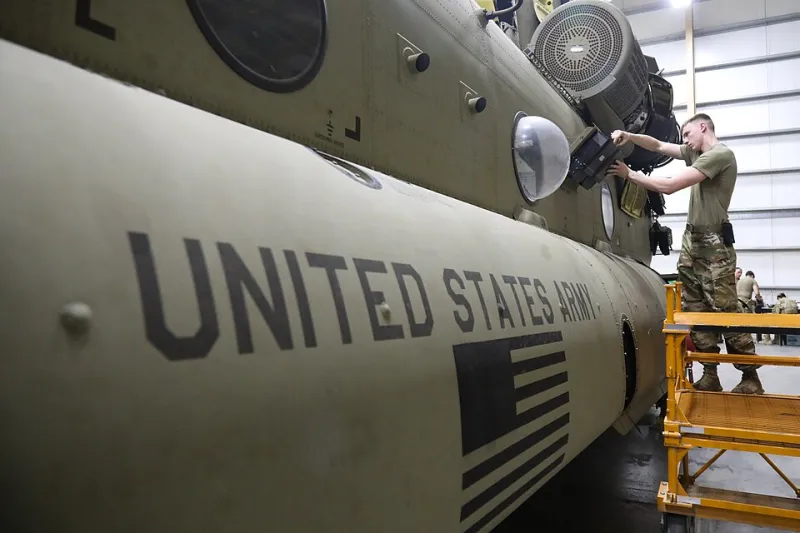
Photo: U.S. Army photo by Sgt. Jamie Robinson, Public domain, via Wikimedia Commons
The preflight inspection is a ritual, and rituals can become invisible. You check the oil, sump the fuel, wiggle the control surfaces, and look for obvious damage. Then you climb in and fly. None of that is wrong. But there is a gap between the checklist and the machine, and the fastest way to close it is to spend four hours in a maintenance hangar with the cowling off.
What Four Hours Buys You
A good hangar visit is not a tour. It is a guided look at the systems you have been checking by habit. With the cowling removed, the engine is no longer a black box. You can see the oil sump, the ignition harness, the alternator belt, the vacuum pump, and the fuel lines. You can see where chafing happens, where safety wire matters, and why a small oil leak can be a bigger conversation than a stain on the ramp.
Ask the mechanic to show you the components behind your preflight checklist. Why do you check the oil level cold? What does the color of the oil tell you? Where does the fuel sump sample come from, and what are you actually looking for? What does a loose alternator belt look like before it fails? These are not abstract questions. They are the difference between a preflight you perform and a preflight you understand.
The Squawk Is a Contract
Student pilots often write squawks the way they write text messages: vague, rushed, and missing context. A mechanic cannot fix 'weird noise.' A mechanic can investigate 'N12345, Cessna 172, intermittent grinding noise from right wing root during flaps-down approach, noted at 1400 local, three occurrences, no abnormal vibration.'
During a hangar visit, ask the A&P to walk you through a recent squawk. How did the description help? What was missing? What would have saved time? You will learn quickly that a good squawk includes the aircraft identification, the system involved, the phase of flight, the conditions, and the time. Add a photo or video when it is safe and appropriate. The squawk is not a complaint. It is a contract between the pilot who observed the problem and the mechanic who must solve it.
Airworthiness Is a Conversation, Not a Sticker
Many student pilots treat the airworthiness certificate as a piece of paper in the aircraft binder. In the hangar, it becomes a living process. Ask about the annual inspection, the 100-hour inspection if applicable, and airworthiness directives. Ask how the mechanic tracks compliance. Ask what an inspector authorization means and why some repairs require one signature while others do not.
This is also the moment to understand owner-performed preventive maintenance under Part 43. There are tasks a private pilot may legally perform on an aircraft he owns or operates, and there are tasks that must be done by an appropriately rated mechanic. The line is not always intuitive. A hangar visit makes the line concrete.
For your checkride oral, this knowledge is gold. Examiners are not looking for a mechanic's certificate. They are looking for a pilot who knows what he does not know, who can read an airworthiness directive summary, and who can explain why a squawk was deferred or repaired. That is airmanship, not trivia.
How to Arrange the Visit
Start with your flight school. Ask whether a maintenance hangar visit can be arranged during a scheduled maintenance day. Keep the group small. Respect the workspace: no touching without permission, no standing under suspended components, and no distracting a mechanic who is torquing a critical fastener. Wear closed-toe shoes and safety glasses if the shop requires them.
Bring a notebook and three questions. Ask about the last unscheduled maintenance event on your training aircraft. Ask what preflight findings most often turn into real repairs. Ask what a pilot can do to make a mechanic's job easier. Then listen.
What You Will Never Preflight the Same Way Again
Four hours will not make you a mechanic. It will make you a better pilot. You will sump fuel with a clearer sense of what contamination looks like. You will check oil with a better understanding of what the engine is telling you. You will write a squawk that a mechanic can act on. And you will walk into your oral exam with a picture in your head, not just a checklist in your hand.
The airplane is not a magic machine. It is a collection of systems, inspections, and conversations. The hangar is where those conversations happen. Go have one.