The Dinner Table Briefing: How to Sell Your Family on a $80,000 Dream
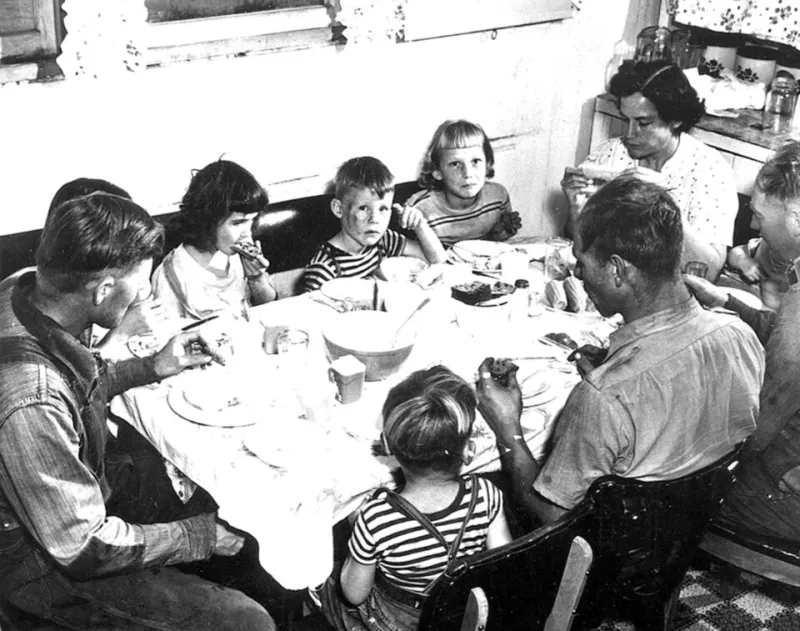
Photo: Galt Museum & Archives on The Commons, No restrictions, via Wikimedia Commons
Every student pilot eventually faces two checkrides. The first happens in a cockpit, in front of a designated examiner who wants to see your steep turns and your emergency procedures. The second happens at a kitchen table, in front of the people who know you best, and there's no Airman Certification Standards document to guide you through it.
We hear this story constantly at the academy. A promising applicant aces their discovery flight, studies the private pilot syllabus over a weekend, and then goes quiet for months. When they finally call back, the reason is almost always the same: "I haven't figured out how to tell my wife." Or my husband. Or my parents. Or the business partner who's counting on them.
It's not a trivial obstacle. Flight training asks a household to absorb real costs, real schedule disruption, and real career uncertainty. The aspiring pilot who walks into that conversation unprepared is asking loved ones to fund and tolerate a dream they haven't been briefed on. Here's how to brief them properly.
Treat It Like a Flight Plan, Not a Confession
The mistake most prospective students make is framing the conversation as an announcement — "I've decided to become a pilot" — delivered after the decision is already made. Nobody likes being handed a completed flight plan they had no role in filing.
Instead, walk in with a draft and an open seat beside you. Present the training timeline, the estimated costs, the financing options you've researched, and the career outcomes, then invite scrutiny. When your spouse or parents poke holes in the plan, treat their objections as a pre-flight review rather than an attack. A plan that survives family scrutiny is a stronger plan, and the people who helped you pressure-test it now have ownership in it.
Know Your Numbers Cold
Nothing derails the pilot pitch faster than vagueness. If you say "it'll probably cost somewhere around eighty grand, give or take," you've lost the room. Bring the briefing a lender would want:
- A realistic total estimate for the certificates you're pursuing — private, instrument, commercial, multi-engine if applicable, and certified flight instructor ratings — including the buffer for extra hours nearly every student needs.
- Financing structures: federal student loans where eligible, aviation-specific lenders like AOPA's partners or Stratus, VA benefits if you have eligibility, and payment plans the school itself offers.
- A month-by-month budget showing how the household absorbs training costs without raiding the emergency fund.
- The income timeline. This is where most pitches collapse. Be honest that a new commercial pilot often starts as a flight instructor earning modest wages, and that regional airline first officers now begin around $50,000–$90,000 with rapid pay escalators. Major airline careers eventually exceed $200,000 to $300,000 annually, but the road there is measured in years, not months.
If you can present the finances the way a bank would want to see them, your family will start treating this like an investment case instead of a gamble.
Answer the Three Fears Before They're Voiced
Every skeptical family member raises some version of the same three concerns. Have your answers ready.
"Isn't flying dangerous?" Point them to the data. Scheduled airline travel in the United States is statistically among the safest activities a person can undertake, and the training environment is heavily regulated. Accidents cluster disproportionately in untrained or poorly maintained general aviation operations — which is precisely what structured flight training exists to prevent.
"What if you wash out halfway through?" Explain the modular structure. Each certificate stands on its own. A private pilot license has lifelong value even if the airline dream never materializes, and each stage is a natural decision point where the family can reassess together.
"What about us?" This is the big one, and it deserves the most honesty. Training will consume evenings and weekends. There will be weeks when you're studying weather theory instead of being present. Show them the schedule, acknowledge the sacrifice, and commit to specific protected time. Pilots are trained to manage risk and workload — apply those same skills to your marriage and your parenting, and say so out loud.
Bring a Third Party Into the Cockpit
Sometimes the most persuasive voice isn't yours. Invite your skeptical spouse or worried parents to the airport. Let them meet your prospective instructor, watch a lesson from the ramp, and talk to current students a few rungs ahead of you. Aviation communities are unusually welcoming — most flight schools will happily give a family member a discovery flight or a cockpit tour.
There's a reason for this: fear of the unknown is the engine of most objections. A parent who has sat in a Cessna 172 and watched a student land smoothly is far harder to frighten with headlines than one who has only imagined it.
The Landing
You will not win this conversation in one sitting, and you shouldn't try to. Think of it as a series of flights, each one building on the last: the first to open the file, the second to review finances, the third to visit the school. Families, like checkride examiners, respond well to candidates who are patient, prepared, and honest about what they don't yet know.
The people at your dinner table are not obstacles to your wings. Handled well, they become your ground crew — the ones who hand you coffee at 5 a.m. before a stage check and talk you down after a discouraging lesson. Every successful pilot we've trained will tell you the same thing: nobody earns wings alone.
So before you book that first lesson, book the dinner table briefing. File the flight plan for your family first. It's the most important pre-flight you'll ever complete.