The Needle Never Lies: Ground Lessons From an Instrument Rating
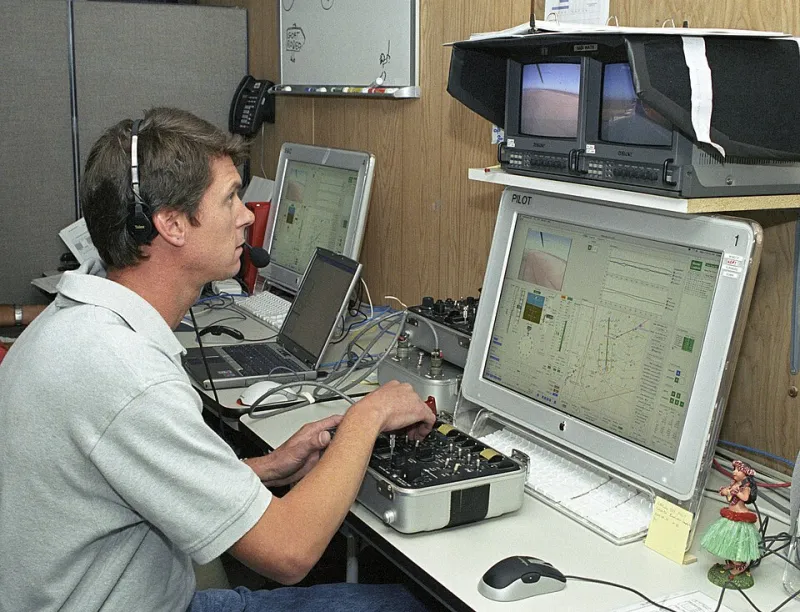
Photo: NASA Armstrong Flight Research Center / NASA/Tom Tschida, Public domain, via Wikimedia Commons
Ask an instrument-rated pilot what the rating did for their flying, and you'll hear about precision, weather margins, and career doors opening. Ask what it did for the rest of their life, and the answers get more interesting.
At Helang Flying Academy, we've watched hundreds of students earn their instrument rating. What happens after the checkride is often the part nobody advertises: the cognitive habits drilled in the cockpit follow graduates home. They show up in morning routines, in highway lane changes, in budget spreadsheets, in the way a person reacts when plans fall apart.
Checklist Discipline That Escapes the Cockpit
The instrument syllabus is, at its core, a course in doing things in the right order while under pressure. Flow checks and read-and-do checklists train the brain to sequence tasks rather than juggle them. Graduates report that this migrates into daily life almost involuntarily.
"I stopped multitasking at work," says a former student who now flies corporate charters out of a Texas base. "Instrument training taught me that doing three things halfway is more dangerous than doing one thing completely. Now my morning routine is literally a checklist — not on paper, but the order never changes. Keys, badge, weather scan, depart."
That weather scan is the second habit that sticks. Instrument students spend dozens of hours learning to distrust a single forecast. They learn that METARs go stale, that a TAF is a probability statement, not a promise, and that conditions five hours out deserve humility. On the ground, that translates into a healthy skepticism of any forecast — including the one on your phone before a family road trip to the lake.
Flying the Needle, Trusting the Process
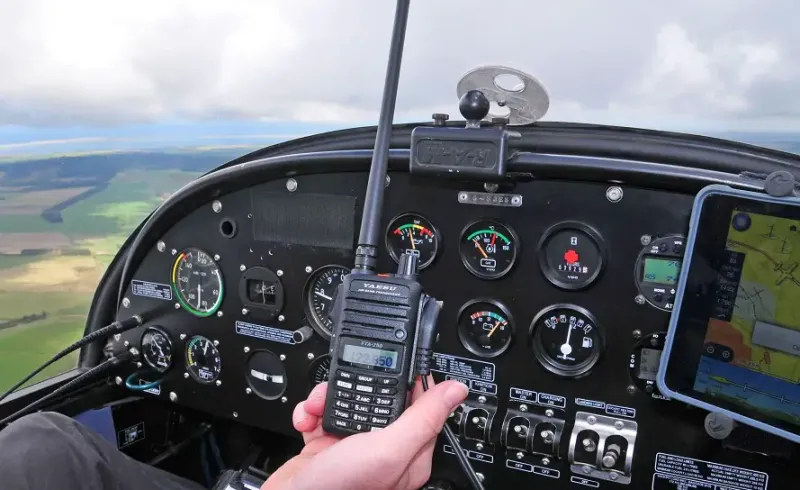
The defining skill of instrument flight is believing the instruments over your own senses. Your inner ear will swear you're in level flight while you're banked thirty degrees in clouds. The needle, the attitude indicator, the altimeter — they don't care what you feel. They report what is.
Pilots call it flying the needle, and it rewires how people handle uncertainty everywhere else.
"I used to make decisions by feel — gut instinct, vibes, whatever felt right in the moment," another graduate told us. "The rating taught me that feelings lie under stress. Now, when a project at work goes sideways, I don't panic and I don't improvise. I go to the data. What do the numbers actually say? It's the same skill as trusting the attitude indicator in the soup."
There's a patience component, too. Instrument flying rewards steady, small corrections over dramatic ones. Chase the localizer with a big input and you'll overshoot. Nudge it, wait, evaluate, nudge again. Graduates describe applying the same cadence to negotiations, parenting, even fitness goals — small corrections, held long enough to matter.
The Decision Discipline Dividend
Perhaps the most valuable spillover is what instructors call decision discipline: the habit of setting limits before you need them and honoring them when it's inconvenient.
Instrument students learn to brief personal minimums on the ground — ceilings, visibility, fuel reserves, alternate requirements — when they're calm, rested, and rational. Then, in the air, when the pressure to press on is real, the decision was already made. The pilot in the clouds is merely executing what the pilot on the ground wisely planned.
Imagine applying that to your finances, your career choices, or your Saturday drive. Decide in advance what conditions would make you turn around. Decide what "good enough" looks like before temptation shows up. It sounds simple because it is — and it's remarkably rare outside of aviation.
A Rating That Pays Beyond the Panel
There's also the practical career math. For anyone pursuing the professional pilot path, the instrument rating is non-negotiable — airlines, charter operators, and corporate flight departments all require it. It's the credential that separates a fair-weather flyer from a working pilot.
But the graduates we interviewed consistently framed it as more than a line on a certificate. One called it "the cheapest risk-management education I ever got." Another said it made her a calmer driver in Chicago traffic, because she'd learned that rushing into deteriorating conditions never improves the outcome.
Your Wings Are Waiting
If you've been putting off instrument training, consider this: the forty-odd hours in the simulator and the clouds will make you a safer, more capable pilot. But they may also make you a more deliberate planner, a more skeptical consumer of forecasts, and a steadier hand under pressure.
The needle never lies. Once you've learned to trust it, you'll find yourself reading it in a lot more places than the panel.
Ready to start your instrument journey? Contact Helang Flying Academy to schedule an introductory lesson and discover what forty hours of clouds can do for the rest of your life.