The Long Way Around the Pattern: Why Every Pilot's Path to the Right Seat Looks Different
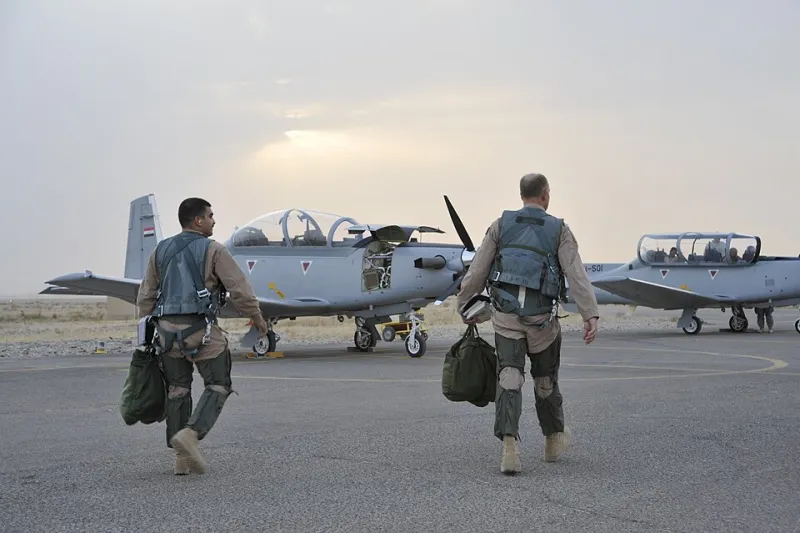
Photo: U.S. Air Force 316WPA by Senior Airman Perry Aston, Public domain, via Wikimedia Commons
Somewhere in America right now, a seventeen-year-old is logging their first solo. Somewhere else, a forty-eight-year-old accountant is walking across the ramp for an introductory flight, heart pounding, wondering if they've lost their mind. Both are at the beginning of the same destination, and neither will get there the way they expect.
At Helang Flying Academy, we've watched hundreds of students earn their wings, and if there's one thing we can say with certainty, it's this: the timeline you imagine on day one is a rough sketch at best. Here's what the journey actually looks like.
The Fast-Track Cadet: Fast Isn't Always Free
Meet the archetype every flight school markets to. Fresh out of high school or college, enrolled in an accelerated program, this student zero-hours-to-CFI in eighteen months — sometimes less. With favorable weather, steady financing, and full-time availability, it's genuinely possible. Private certificate at two months, instrument at six, commercial at twelve, multi-engine add-on and CFI certificates soon after.
But even the fastest arcs rarely go perfectly. Aircraft maintenance grounding the training fleet for two weeks. A failed checkride on the instrument rating that costs a month of rebuilding confidence. The 1,500-hour ATP requirement still stands between the freshly minted CFI and the airlines, and building those hours instructing can take another two years of long days and modest pay.
Fast-track is real. Fast-track in a straight line? That's the brochure talking.
The Weather-Delayed CFI: When the Sky Decides Your Schedule
Then there's the student in the Midwest who planned to finish their private pilot certificate in three months — and took nine. Convective summer weather, a hard IFR undercast all November, and a polar vortex week that kept the fleet tied down. Add a failed medical temporarily grounded on a paperwork technicality, and suddenly the neat timeline dissolves.
Here's the candid part: this is normal. Weather delays are not a sign you chose the wrong school or the wrong dream. They're a structural feature of aviation in a country with seasons. Students who train in Florida or Arizona often move faster simply because the sun cooperates. Students in Minnesota or Pennsylvania learn patience alongside airmanship — and arguably become better pilots for it.
The lesson isn't to avoid seasonal climates. It's to build slack into your expectations and your budget. Ask any school you're considering how their fleet availability and student completion rates change through the year. A transparent answer is worth more than a glossy completion-time promise.
The Mid-Life Career Changer: The Longest Runway, Sometimes the Smoothest Flight
The most underrated pilot story in America belongs to the career changer. A nurse, a teacher, a software engineer in their thirties, forties, or fifties who looks up one day and realizes the corporate ladder holds no more interest than the pattern at their local airport.
These students face real constraints: family obligations, mortgages, the impossibility of training full-time. Most fly two or three times a week, stretching private training across six months and the full professional pathway across four to six years. Yet they often outperform younger students in one crucial area — decision-making and maturity in the cockpit — and airline hiring rules don't care about gray hair, only about certificates, hours, and a clean record.
The mandatory retirement age of sixty-five sets a hard ceiling, so math matters. But a forty-year-old career changer today can still look forward to two decades of airline flying. We've seen it happen at this academy more than once.
What Brochures Don't Tell You
Every flight school — including ours — advertises minimum hour requirements and best-case timelines. Here's what to expect realistically:
- The national average for a private certificate hovers around 60 to 70 hours, not the FAA minimum of 40.
- Economic cycles matter. Airline hiring froze after 2001 and 2008 and surged in the 2010s. Regional hiring booms and busts will shape your career more than your logbook totals.
- Medical setbacks happen. A disqualifying diagnosis doesn't always end a flying career, but it can pause one for months. Protect your health like it's part of your training budget — because it is.
- Life intervenes. Divorces, layoffs, and relocations delay more careers than checkride failures ever have.
The pilots who make it aren't the ones with the perfect timeline. They're the ones who kept showing up at the airport when the timeline fell apart.
Your Wings Are Waiting. They're Just Patient.
Whether you solo at seventeen or take your first discovery flight at fifty, the sky doesn't check your birthdate or your schedule. It only asks that you show up, keep learning, and fly the airplane.
The hidden timeline of a pilot's life isn't hidden because anyone's covering it up. It's hidden because it hasn't been written yet — and no two are alike. Yours starts the moment you decide the delays are worth it. From where we stand on the ramp, they always are.