Nerves on Frequency: Getting Over the Scariest Two Seconds in Aviation
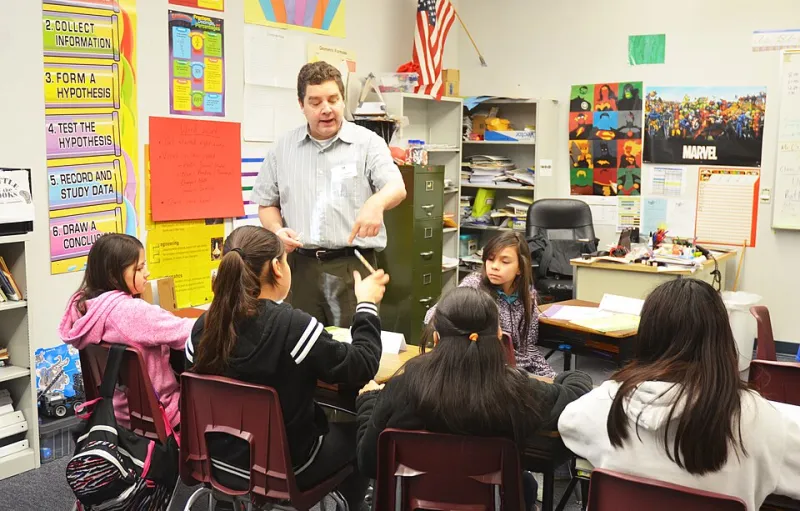
Photo: PEO ACWA, CC BY 2.0, via Wikimedia Commons
Ask any pilot at any airport in America — from a grass strip in Kansas to a tower-controlled field in Atlanta — and they'll tell you the same thing: the hardest part of flight training wasn't the landing. It wasn't stalls, and it wasn't the knowledge test. It was the first time they had to talk on the radio with their instructor sitting there, arms crossed, waiting to see if they'd choke.
There's a reason for that. Nobody hands you a script for a phone call with your mother. But air traffic control? That feels like an audition you didn't rehearse for.
The Fear Is Universal (and Mostly Imagined)
Here's what nobody tells you on day one: the controller on the other end of that frequency has heard it all. They've heard the student who keyed the mic and said nothing for ten full seconds. They've heard the wrong airport, the wrong callsign, and occasionally, the wrong language entirely. Your nervous stumble through "Cessna one-two-three-four-five requesting taxi" is not going to make the afternoon shift at the approach control facility fall out of their chairs.
In fact, most controllers would rather hear a slow, careful, slightly awkward call from a student pilot than a fast, confident, garbled one from someone who thinks they sound like an airline captain. Clarity beats speed every single time. The Federal Aviation Administration's own guidance on radio phraseology emphasizes exactly that — proper phrasing spoken at a reasonable pace.
So the bar is lower than your anxiety is telling you. Much lower.
Build Your Script Before You Need It
The single best cure for radio jitters is boring: preparation. Before any flight that takes you near controlled airspace, sit down with a notepad and write out the calls you expect to make. Read them aloud. Then read them aloud again while doing something else, because in the airplane, you'll also be flying, navigating, and pretending your palms aren't sweaty.
A workable sequence looks like this:
- Who I'm calling. "Daytona Tower," or "Seattle Approach."
- Who I am. Full or abbreviated callsign, as appropriate.
- **Where I am." Position relative to something everyone recognizes.
- What I want. The request, stated plainly.
That four-part structure covers roughly ninety percent of the transmissions you'll ever make as a student. Write yours out, drill them in the parked car, and the real thing starts to feel like a fill-in-the-blank exercise rather than an improvisation.
The Readback Is Where Students Actually Trip
Interestingly, the initial call rarely causes problems. It's the readback. A controller rattles off "Cessna four-five-two-three, fly heading two four zero, descend and maintain three thousand, expect vectors for the approach," and suddenly the student is holding four numbers in their head while the airplane drifts off course.
The fix is a habit, not talent: write as you listen. Every pilot you admire scribbles on a kneeboard with the same intensity a college freshman brings to a lecture. Copy what you hear, then read it back from your notes. If it didn't fit on the pad, it doesn't go in your mouth — ask for "say again" without shame. Controllers repeat instructions all day. It is genuinely part of the job they signed up for.
Why the Other Side Is Rooting for You
There's a quiet truth about the national airspace system that student pilots often miss: controllers and flight instructors are on the same team. A controller's entire purpose is to keep traffic moving safely, and a predictable, communicative student pilot makes that easier, not harder. When you identify yourself honestly as a student — and you should — you'll often find the controller slows down, simplifies, and gives you a little extra room.
Saying "student pilot" on frequency isn't an admission of weakness. It's a professional courtesy that gets you better service. Veterans of busy Class C facilities will tell you they treat a student's call with extra patience precisely because they remember being that person.
From Dread to Routine
Somewhere around your tenth or fifteenth hour of talking on frequency, something shifts. The calls stop feeling like performances and start feeling like breathing. You'll catch yourself giving a position report to your passenger on a drive to the grocery store, and you'll realize the fear is gone — replaced by something closer to fluency.
That's the real lesson hiding inside radio anxiety, and it applies to everything else in training: the things that terrify you in hour one become invisible by hour fifty. The radio just happens to be the first place most students feel it, which makes it the perfect place to learn it.
So key the mic. Speak slower than feels natural. Identify yourself as a student. And remember that two seconds of silence after your call isn't the sky judging you — it's a professional on the other end, already typing your request into the plan, glad you spoke up at all.