The Body in the Left Seat: A Pre-Flight Wellness Checklist Most Flight Schools Never Hand You
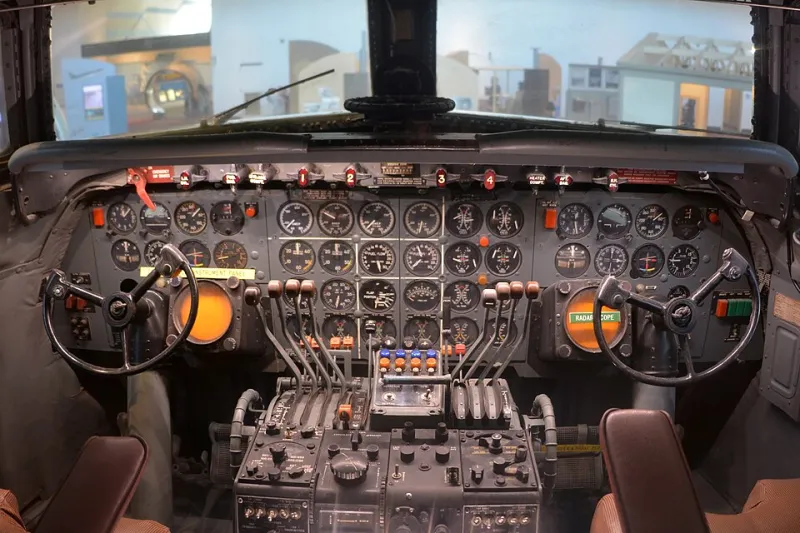
Photo: Don Ramey Logan, CC BY 4.0, via Wikimedia Commons
Somewhere between learning slow flight and memorizing V-speeds, most student pilots absorb an unspoken lesson: the airplane gets all the attention. Preflight checklists cover fuel quantity, control surfaces, and oil levels with loving detail — but almost nothing in the typical syllabus asks the pilot to inspect the machine doing the flying.
That gap matters. Ask any aviation medical examiner (AME) who has spent years certifying American pilots, and they'll tell you the same thing: the most common threats to a flying career aren't dramatic. They're chronic, quiet, and almost entirely preventable.
Why Altitude Is Harder on You Than It Feels
Even in a pressurized airliner cruising at 38,000 feet, the cabin is typically pressurized to the equivalent of 6,000 to 8,000 feet of elevation — think Denver on a mild day, all flight long. In an unpressurized training aircraft at 4,500 feet over the practice area, the effect is milder but real: mild hypoxia, slower reaction times, and increased fatigue, particularly for students who are white-knuckling their first few hours.
Add the environment of the cockpit itself — low humidity, engine noise, vibration, and hours of uninterrupted sitting — and you have a workplace that quietly taxes the human body in ways few other professions experience.
"The dehydration piece surprises new pilots every time," says one veteran flight instructor we spoke with at a Part 141 academy in the Midwest. "You're breathing dry air, you're busy, you don't want to interrupt a flight to use the restroom — and by hour three you're making decisions at a measurable deficit and blaming the crosswind."
The Checklist Nobody Prints
We asked AMEs, airline pilots, and instructors what they wish every student knew on day one. Their answers converge on a remarkably practical list — one you can run before every flight, from your first discovery flight to your last airline leg.
1. Hydrate hours before, not minutes before. Cabin air can be drier than the Sahara. Start drinking water the night before an early lesson, and keep a bottle in your flight bag. If you're thirsty at the airplane, you're already behind.
2. Treat sleep like a preflight item. Federal Aviation Regulations give airline pilots hard duty-time limits for a reason. For the student or private pilot, no regulation stops you from flying tired — which is exactly why self-check matters. The IMSAFE checklist (Illness, Medication, Stress, Alcohol, Fatigue, Emotion) exists for this. Use it honestly.
3. Watch the meds, even the over-the-counter ones. That cold medicine from the pharmacy counter can be disqualifying. Antihistamines in particular can cause drowsiness at altitude, where mild hypoxia amplifies every side effect. When in doubt, call your AME before you fly, not after.
4. Eat for steady blood sugar. A heavy breakfast before a morning lesson pulls blood toward digestion and away from your brain — the opposite of what you want during stall recovery. Pilots who fly well into their careers tend to favor lighter, protein-forward meals and steady snacking on long days.
5. Move between flights. Sitting in one position for hours, day after day, decade after decade, adds up. Airline pilots who fly into their sixties consistently point to the same habits: stretching during cruise, walking during layovers, and treating the airplane seat like the ergonomic compromise it is.
6. Protect your hearing like it's a career asset. Cockpit noise in a light trainer can exceed 90 decibels. A quality, well-fitted headset — and earplugs under it on long cross-countries — is not a luxury purchase.
7. Get your eyes and bloodwork checked on a schedule, not on a symptom. The FAA's medical certification system exists precisely to catch small problems while they're still small. Pilots who treat their medical exam as a genuine health screening, rather than a paperwork hurdle, tend to have longer and less stressful careers.
The Mental Side of the Physical
Fatigue and dehydration get the headlines, but the pilots we spoke with were equally candid about stress. Financial pressure from training loans, family expectations, and the sheer cognitive load of learning a new skill all degrade performance in ways that mimic — and compound — physical fatigue.
"The best students I've had are the ones who cancel," one instructor told us, only half-joking. "They run the self-check, they don't like the answer, and they reschedule. That's not weakness. That's the same judgment that will make them a great captain someday."
The FAA's resources on human factors, along with programs like the FAA's Pilot Fitness resources and peer support networks now common at US airlines, reflect a broader cultural shift: mental health is aviation health, and there is no longer any excuse for pretending otherwise.
Start Before Your First Lesson
Here's the encouraging part: none of this requires medical training, expensive equipment, or any special talent. It requires only that you extend the discipline of the preflight checklist to yourself.
Before your next flight — whether it's hour one or hour one thousand — take two minutes. Hydration? Check. Sleep? Check. Medications, stress, appetite? Check. It is the same mindset that walks you around the airplane, tapping fuel caps and checking the sump. The aircraft deserves the inspection.
So does the pilot.